
A rat in the toilet: arranging inspection and proofing
Published on September 28, 2026 — Speed 3D Services
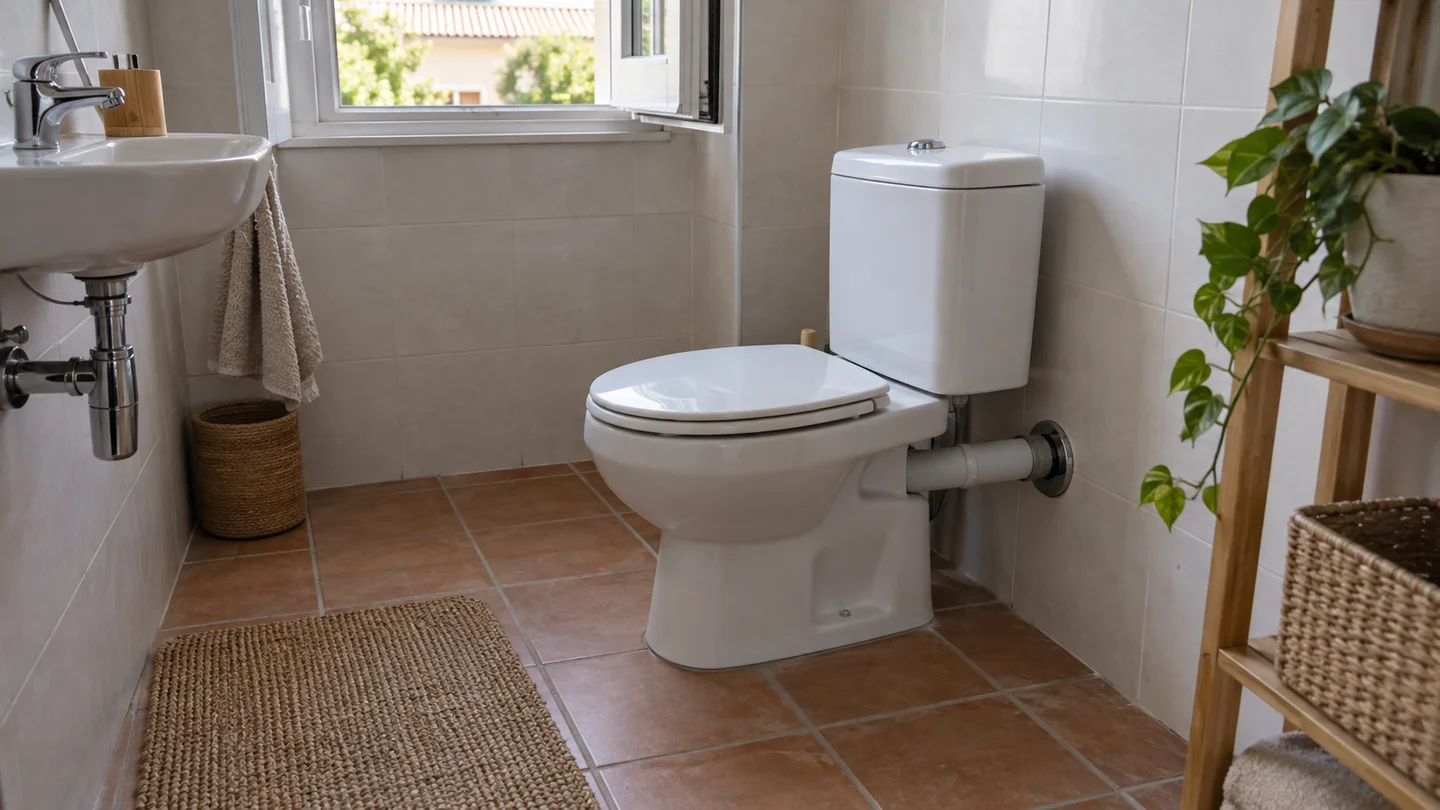
A rat seen in the bowl or near the toilet is an impressive situation. Keep children and animals away, keep your distance and contact a professional. Do not attempt to seize the animal or bring it out with a product. The care must secure the immediate situation and then seek access to the building.
Is a passage through the pipes possible?
Yes, this possibility is documented: the public service of Basingstoke reports that rats can enter through the siphons of the bowls. This does not, however, make it possible to conclude that each rat seen in a bathroom has been reassembled by the toilets. He can also have entered the room from another passage.
So please specify exactly what you saw: animal in the bowl, on the floor, behind a formwork or near a pipe. A factual description helps to distinguish a direct observation from a hypothesis on the journey.
The information to be transmitted immediately
Without approaching the animal, note the room, hour and place where it remained visible. Close the door if you can do it without contact, then avoid moving in this room. A photo taken remotely can be useful; it does not justify putting you in trouble.
- Give the address and type of accommodation.
- Indicate if the animal is still visible or has moved.
- Report the presence of children, animals and access constraints.
- Mention recent evacuation problems and plumbing work.
- Indicate the other traces observed in the building.
Do not pour poison, fuel or chemical mixture into the toilet. Do not try to disassemble the bowl or open a sheath while the animal is present.
Deratizer and plumber: complementary roles
The control of the rodent and the verification of a network are not the same operation. The deratizer searches for activity indices and organizes the appropriate measures. The sanitation or plumbing professional examines a suspected malfunction of the network and the necessary repairs.
Ask who coordinates these steps and what each quote covers. A non-return device, if any, must be chosen and installed according to the configuration; it is not a part to be controlled on the basis of a picture of the bowl. Proper evacuation operation and maintenance access shall be maintained.
In condominiums, document the common problem
Notify the manager if the common ducts or ducts appear to be affected. Send dates and locations without stating an unverified origin. Observations in several housing units or in a garbage bin can help to organize the inspection.
Our guide rats in a co-owner's bin room describes this complementary context. Individual and collective interventions should be coordinated when the diagnosis establishes a link.
After care
Ask for the cleaning instructions and the points to be monitored. Keep the list of inspected accesses, proposed work and planned controls. Photographing a completed repair and noting its date makes it easier to track if new clues appear.
For a request in the Alpes-Maritimes, contact our rat rodent control service. Specify from the call that the toilets are used to organize the response and, if necessary, a technical check of the network.
Frequently asked questions
Does a rat in the toilet mean the house is dirty?
This observation does not allow for such a conclusion. Research should focus on access, network and other building indices.
Is a valve enough to settle any infestation?
No. Possible equipment responds to a specific passage. Other access and activity already present must also be assessed.
Prepare your diagnosis in the Alpes-Maritimes
Indicate your municipality, areas concerned and your observations. Speed 3D Services helps you to specify access, perimeter and intervention conditions.